What exists today?
Rules, responsible institutions, procedures, and which of them are already digital.
Free zones and special economic zones
Why this assessment
An investor should understand where to go, what they will receive, how long it will take, and who is responsible for the result. The assessment starts there: it documents, country by country, what is in place, what is already digital and what each country wants to improve first, so that cooperation is built on evidence.

“Our goal should be to ensure that when an investor comes to Central Asia, they see a single, clear, digital and competitive investment region.”
The next stage for the region’s zones goes beyond tax incentives and infrastructure: zone services that are digital, integrated and internationally oriented. An investor passes through several procedures and institutions — land and buildings, connection costs, incentives, registration, customs — and each of them weighs on the decision. Digitalisation is not an objective in itself; it is one way of improving the investment environment.
Investors also tend to look at more than one country: production may take place in one, inputs may come from another and the logistics route may cross a third. That makes it increasingly useful to consider Central Asia as an interconnected investment region, where zones cooperate as well as compete.
What the assessment covers
Rules, responsible institutions, procedures, and which of them are already digital.
The main difficulties, priorities and opportunities for improvement.
Reforms, initiatives and partnerships already at work, to build on rather than duplicate.
After the assessment
The assessment will not prescribe a single solution. Depending on the needs identified, possible areas of cooperation could include greater transparency, simpler procedures, digital services and regulatory improvement. Where digitalisation is chosen, the useful order is to document a procedure, simplify it, then put it online: digitising a procedure nobody has simplified only makes it faster to get wrong.
Where a country sees the need, possible assistance could help document each procedure from the user’s point of view: steps, required documents, costs, processing times, legal basis and responsible authority, kept up to date by that authority.
Depending on the needs identified, possible assistance could help review steps and requirements that no longer serve a clear purpose, and clarify which authority is responsible for each action.
Where appropriate, and once procedures have been simplified, possible assistance could help turn them into online services for applications, approvals, payments and renewals. UNCTAD’s eRegistrations platform is one option among others, subject to country priorities and capacity.
If a country asks for it, possible assistance could look at the zone law from two perspectives: what the country offers investors, and what it expects from them. Where the legal system allows, detailed procedures could sit in regulations rather than in the law itself, so services improve without amending the law. A model regulation to consider adapting is being prepared. Explore the regulatory approach →
In practice
These examples show what other countries have already built. They are an inspiration, not a plan for Central Asia: anything similar here would follow each country’s own rules and priorities.
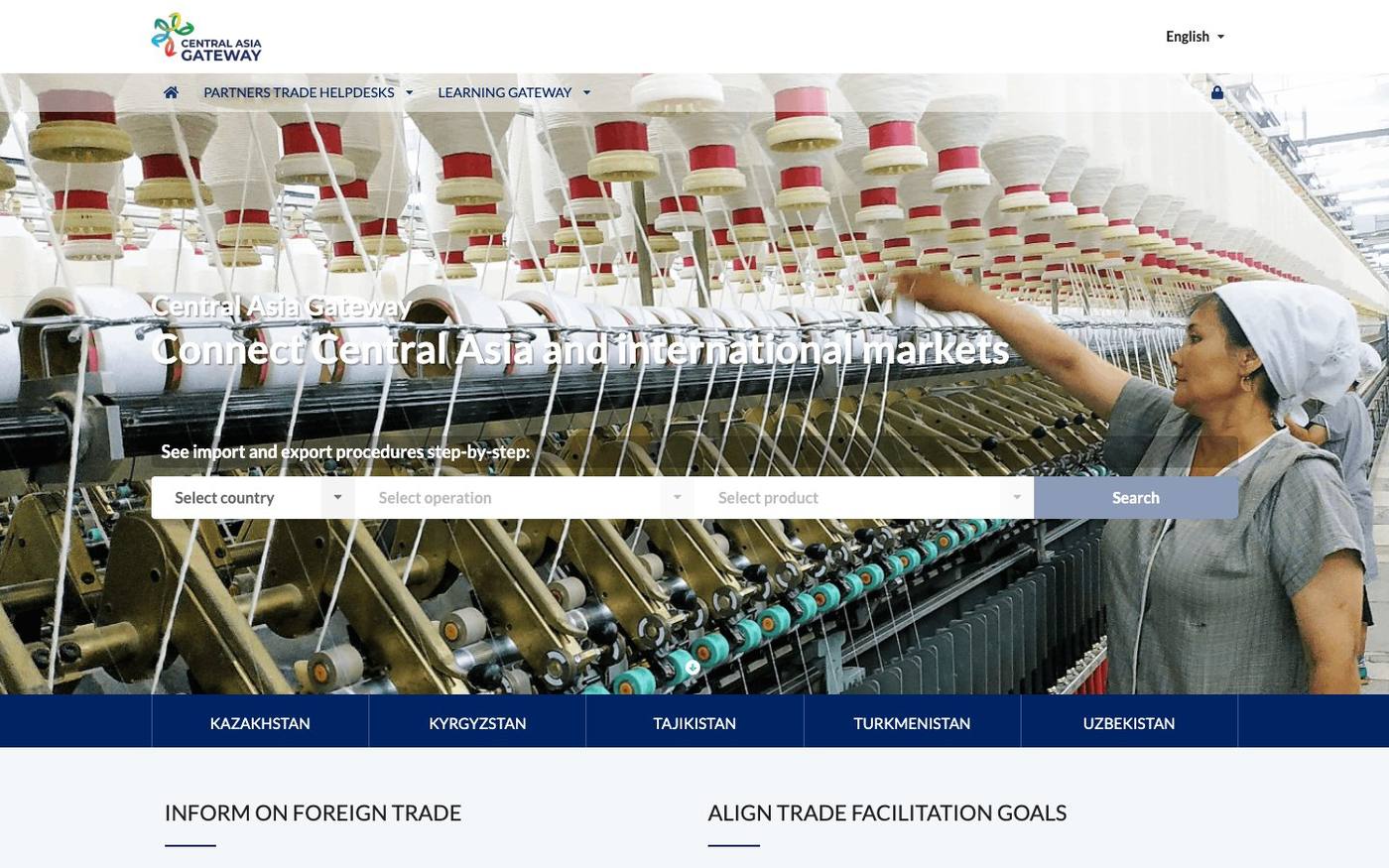
The Central Asia Gateway (infotradecentralasia.org) brings together the national trade portals of the five countries. For each import, export or transit procedure it shows what the user needs to know: steps, required documents, institutions and contact persons, costs and legal basis. It covers trade, not zones. This regional experience could help inform how zone procedures are documented, with adaptation to each country's priorities, institutions and legal framework.
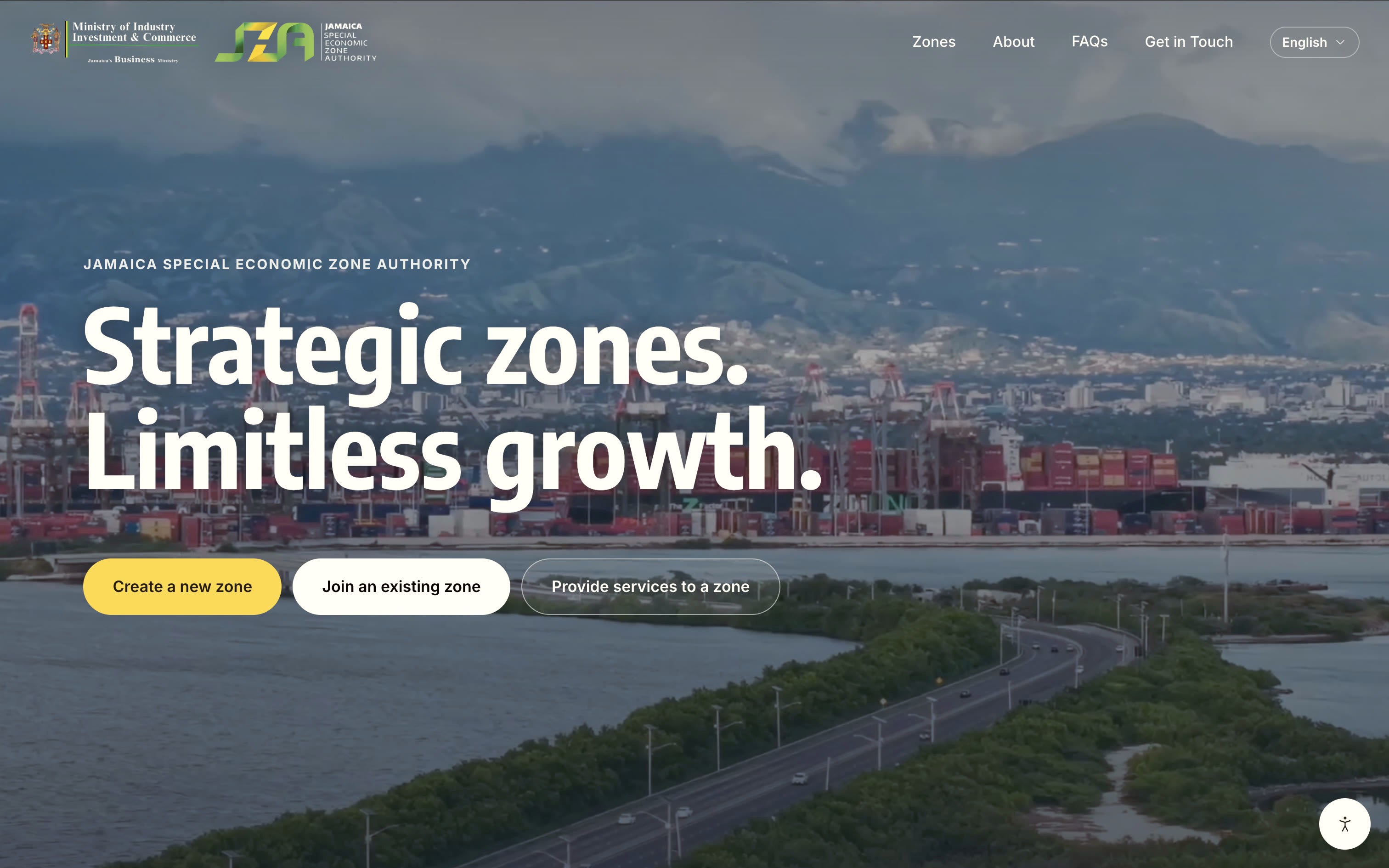
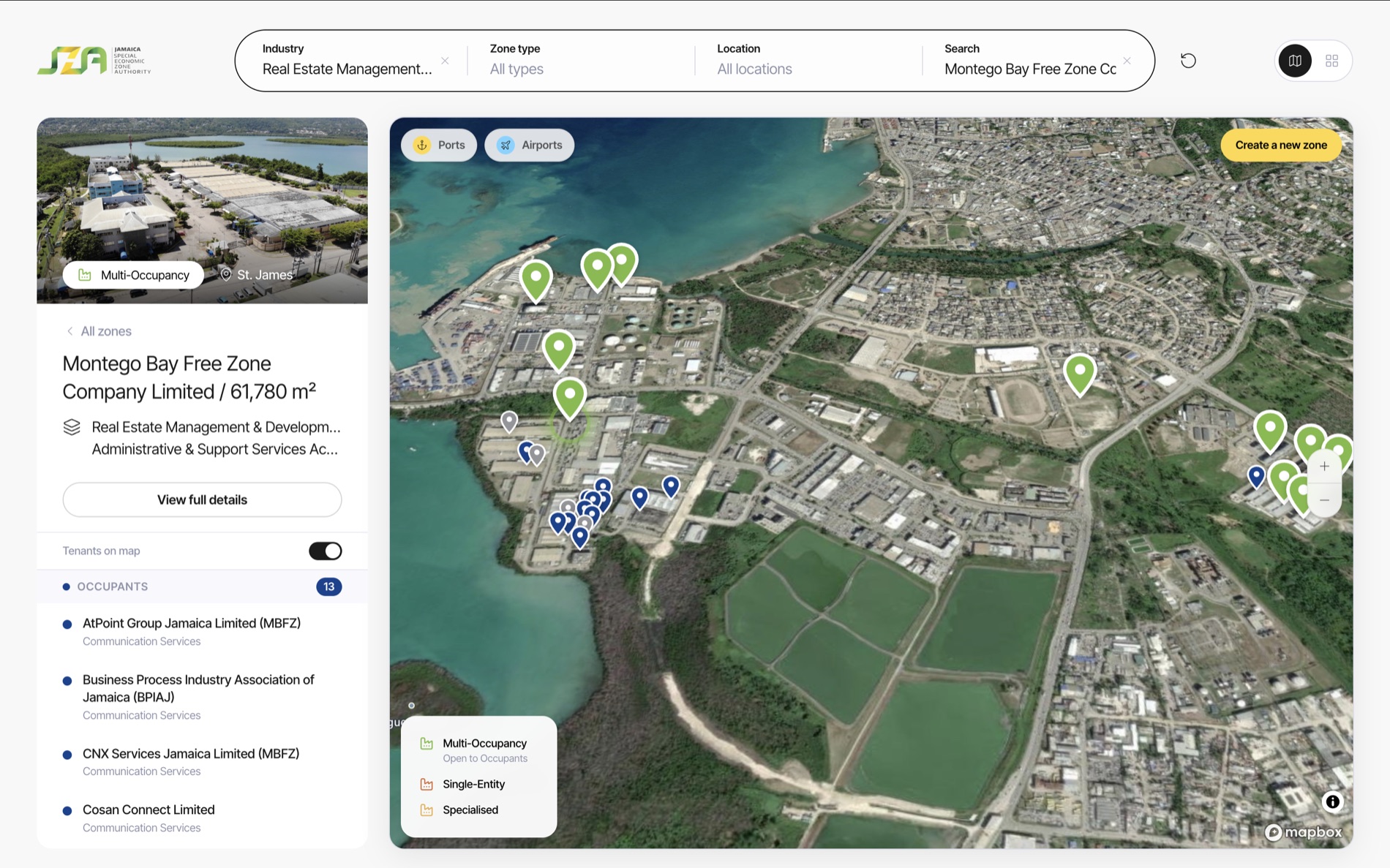
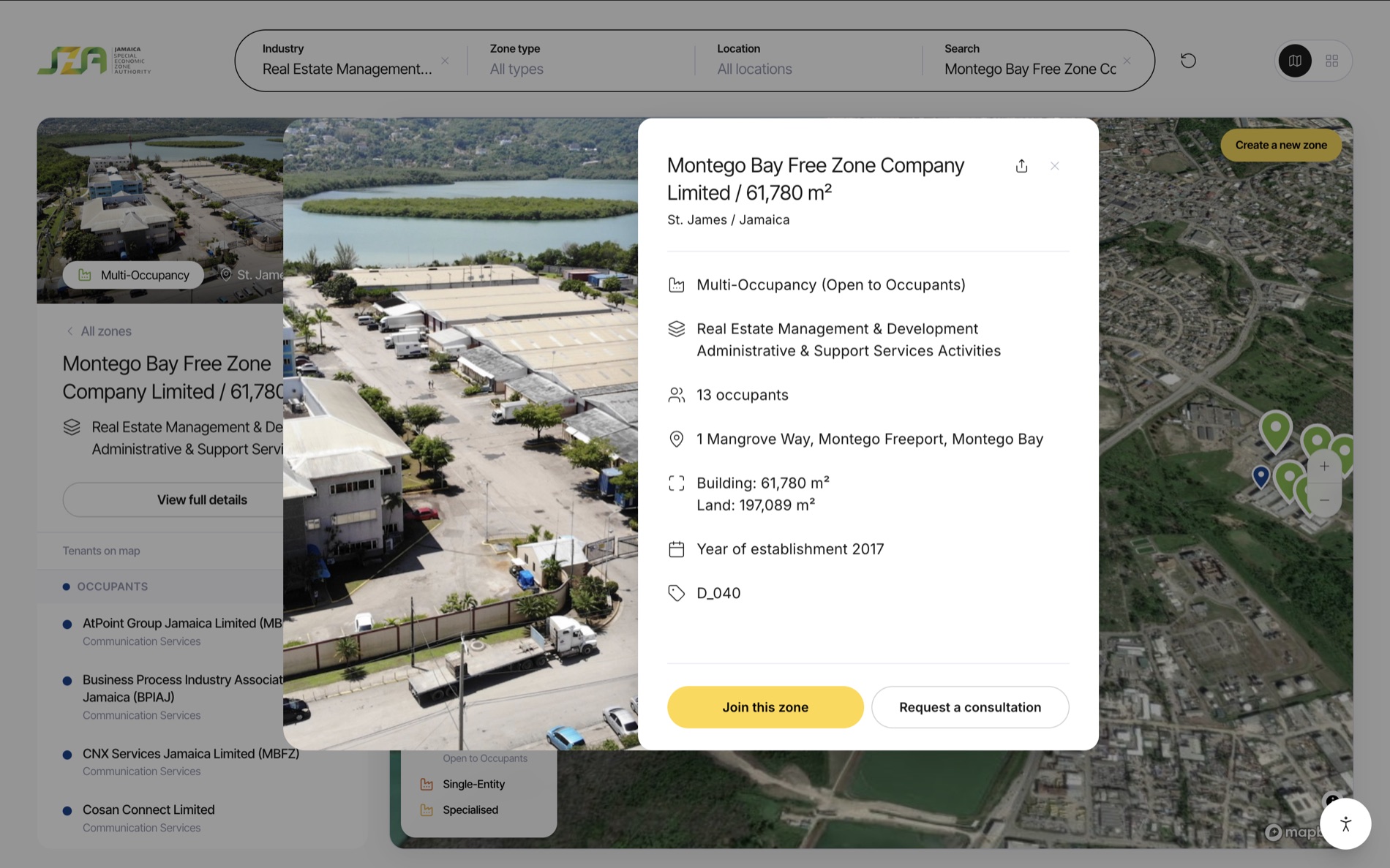
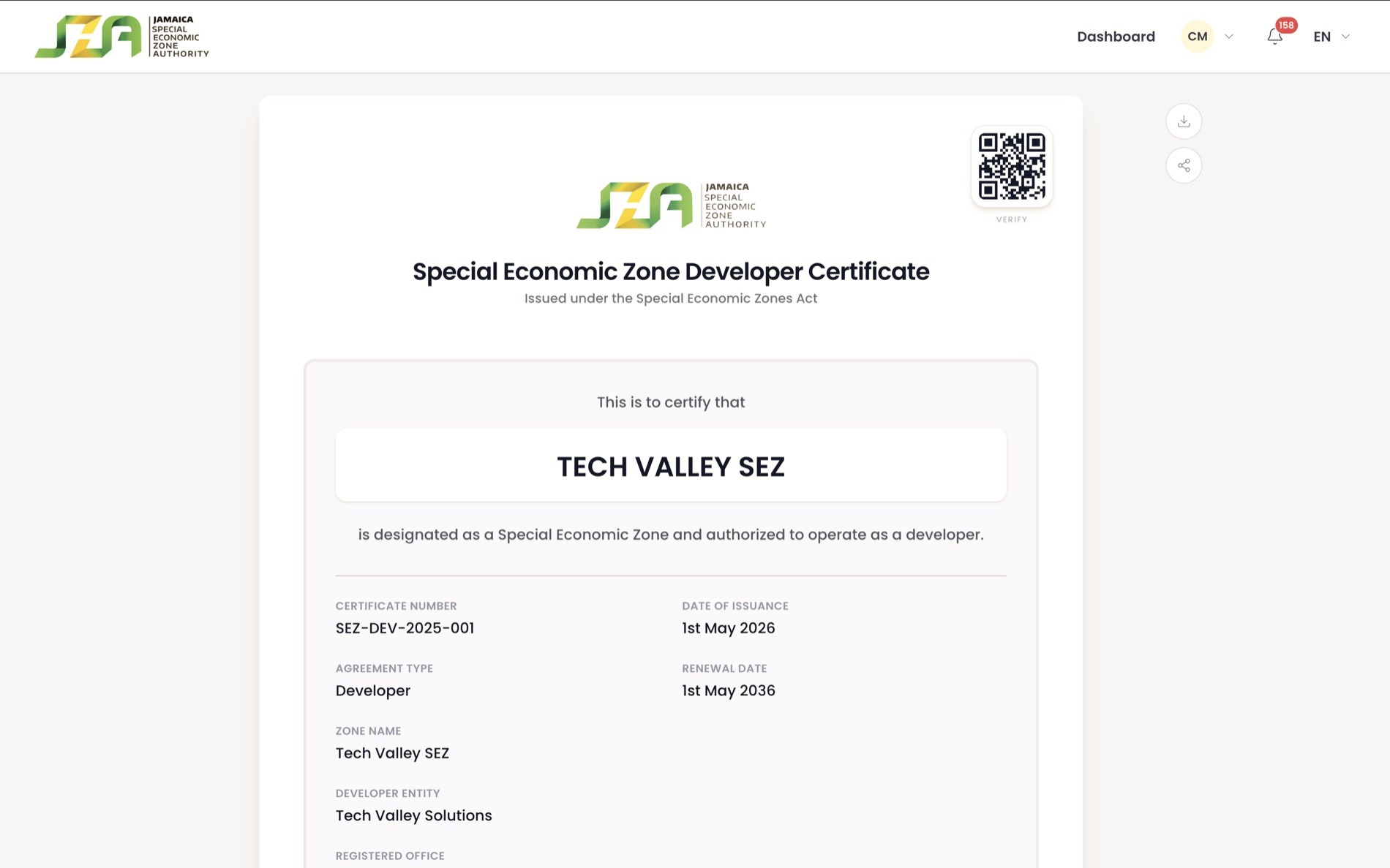
Jamaica’s institutional set-up differs from those across Central Asia. What matters here is what the investor sees at the end: one entry point, every zone on a map, one process, one certificate.
Completing the questionnaire is voluntary and creates no commitment. Each response reflects the view of the entity that sends it, not the official position of its country. Subject to the partners’ mandates and available resources, the responses could inform a national assessment and report. Regional findings would be presented in consolidated form; an individual country would be named only with its consent.